Did you realize that almost half of the natural protection of your eye against light exposure and ageing is determined by daily nutrients? Most individuals attribute blurred vision to screen time or age, but not many know the importance of vitamins in keeping the eyesight strong and clear. As your heart or skin requires feeding, your eyes also require a constant supply of nutrients to operate well.

That is why the knowledge of nutrients for eye health is vital in long-term visionary care. Although eye drops and specialty supplements may help, a good multivitamin for eye health may offer the same basic vitamins, minerals, and antioxidants required to protect the retina and aid in visual acuity.

This blog will discuss the most essential nutrients to maintain eye health, the role of multivitamins in your daily life, and the way to choose the appropriate supplement to maintain your vision in the long term.

Key Nutrients That Support Eye Health

A sharp eye needs more than eyewear or screen breaks. In the background, the retina, macula, and lens are safeguarded against oxidative stress and inflammation by different vitamins and minerals. Almost half a billion individuals in the world have eye problems, many of them associated with the lack of nutrients. Around 250 million people worldwide experience some form of vision loss.

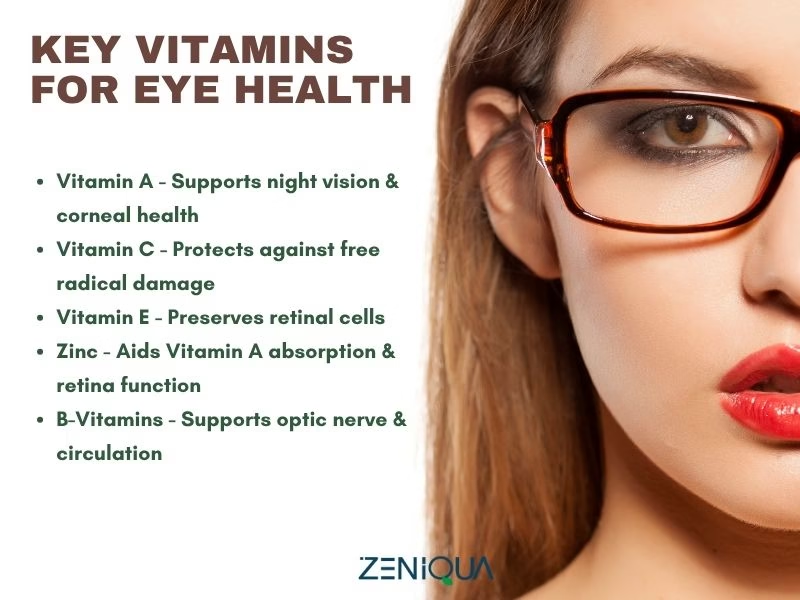
Infographic listing essential nutrients like Vitamin A C E Zinc and B vitamins for eye health
Essential nutrients that support healthy vision protect the retina and maintain overall eye wellness

The following are the best vitamins for eye health and the nutrients that your eyes need daily:

Core Vitamins for Eye Health

  • Vitamin A

Vitamin A is critical for low-light sight, tear generation, and avoiding dryness. Deficiency may lead to night blindness, sore eyes, and low moisture of eyes.

  • Vitamin C

A cornea and retina antioxidant against oxidative stress. It also helps to produce collagen, which keeps the tissues of the eyes in order.

  • Vitamin E

Interacts with Vitamin C to hinder the effects of free radicals, which damage the long-term health of the eyes and reduce the impact of age-related stress.

  • B Vitamins (B6, B9, B12)

Promotes the well-being of the optic nerve, decreases inflammation, and can slow down the deterioration of vision in old age. These eye vitamins are vital, particularly for visual sharpness in the long run.

  • Biotin & Niacin (B3)

Keep the eyes and surfaces moist and aid in cellular energy, which helps to relieve fatigue and weary eyes.

  • Vitamin D

Helps to maintain retinal activity, decrease inflammation, and possibly prevent age-related eye diseases.

Minerals for Eye Health

  • Zinc

Carries Vitamin A to the retina and is significant in night vision.

  • Magnesium

Helps alleviate eye muscle tension, which results in digital eye strain and eye twitching due to screen fatigue.

  • Selenium

An effective antioxidant that acts in conjunction with Vitamin E to shield eye tissues against oxidative damage.

  • Copper

Helps maintain healthy blood vessels in the eyes and maintains a balance of zinc in the body to avoid deficiencies.

Special Nutrients for Eye Health

  • Lutein and Zeaxanthin

Natural carotenoids, which are internal sunglasses. They block the bad blue light and safeguard the macula.

  • Omega-3 Fatty Acids (DHA, EPA)

Critical to retinal performance, tear stability, and dry eye prevention in digital strain.

Most nutritional supplements for eye health are based on these nutrients, and they can be found in most well-balanced multivitamins.

Eye Conditions Associated with Nutrient Deficiencies

Without enough vitamins good for eye health, several problems can arise in the long run:

  • Dry, itchy, or fatigued eyes
  • Poor night vision
  • Blurred vision
  • Higher levels of digital eye strain
  • Increased risk of cataracts or macular degeneration

These risks are further augmented by chronic illnesses such as diabetes.

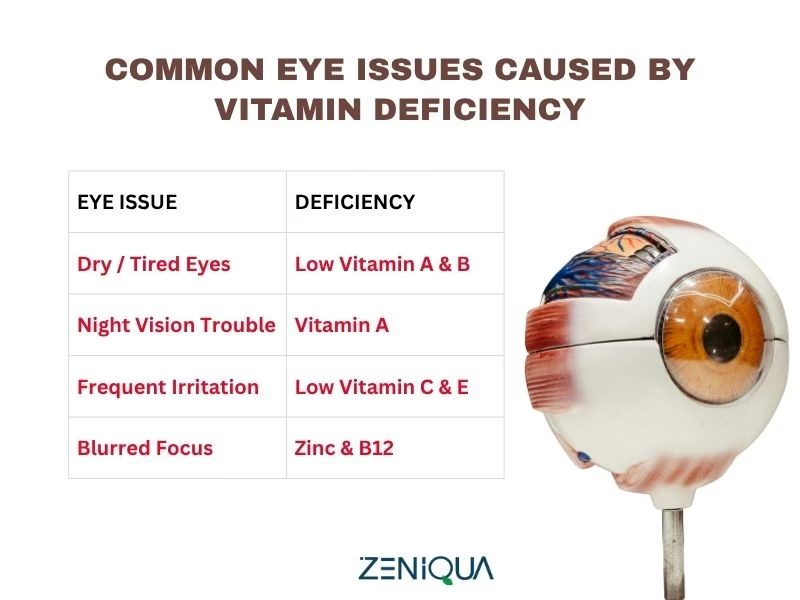
Visual showing common eye problems caused by vitamin and nutrient deficiencies
Overview of common eye problems that can occur due to insufficient vitamins and nutrients for eye health

Diabetes and Eye Health in India

The population of diabetes in India has already hit 101 million, compared to 70 million in 2019. Extreme blood sugar levels may cause harm to retinal blood vessels, causing diabetic retinopathy, a significant cause of blindness.

Antioxidant and anti-inflammatory nutrients supporting the eyes could help minimize the damage and promote the long-term well-being of the eyes.

Role of Multivitamins in Eye Health

It is necessary to control blood sugar, diet, and lifestyle, and multivitamins for eye health can provide extra protection to the eyes.

Multivitamins with:

  • Vitamins C, E
  • Zinc
  • Copper
  • B-complex

Are helpful to:

  • Reduce oxidative stress
  • Support retinal health
  • Promote nerve function
  • Eliminate nutrient deficiencies in the diet

This renders multivitamins a convenient, daily method of sustaining vitamins for eyesight improvement.

Why Multivitamins Matter for Vision?

A good multivitamin helps:

  • Take all the necessary nutrients for healthy eyes in a single daily dose
  • Protect eyes against the screen and old age
  • Enhance the capacity to withstand fatigue, strain, and dryness
  • Foster visual clarity in the long term

The proper mix is the way to make sure that your eyes get regular nutritional support.

Choosing the Right Multivitamins for Eye Health

Not every multivitamin provides the nutrients required to support the best eye functioning. Here’s what to look for:

Check for Core Eye Nutrients

An ideal multivitamin must contain:

  • Vitamins A, C, E
  • Zinc & Copper
  • Vitamin D
  • B-complex
  • Lutein & Zeaxanthin

These are some of the best vitamins for eye health to have in your daily wellness program. As per a study in 2022, about 92.9% of blindness and 97.4% of visual impairment are caused by conditions that could have been prevented or treated.

Consider Your Age and Lifestyle

The nutrient requirements of people differ with age. In India, the incidence of blindness is experienced by 1.99 percent of adults aged above 50, while 26.68 percent have visual impairment. A personalized multivitamin is useful in fulfilling these needs.

Zeniqua Multivitamins for Eye Health

Zeniqua Bold+ (Men) – This is designed with Vitamins A, C, E, and D, and minerals that help in providing energy, immunity, and long-term eye health, which are designed to suit men.

Zeniqua Daily Vibes (Adults) – A balanced daily support formula containing Vitamins A, C, D, E, Zinc, and Copper to defend vision and general well-being.

Zeniqua Bright Bites (Kids) – Vitamin A, C, E, and Zinc gummies that are kid-friendly and help in healthy eye development and stronger immunity.

Practical Tips to Maximize Eye Health

Maintaining healthy eyes requires more than taking a multivitamin for eye health. Combining proper nutrition with daily habits can significantly improve long-term vision and support overall eye health.

1. Eat Foods for Eye Health

Add greens, nuts, berries, fish, and colourful vegetables. These foods are naturally rich in antioxidants and nutrients for eye health, such as Vitamins A, C, E, and Zinc.

2. Select a Quality Multivitamin

Make sure it has eye-supporting nutrients, Vitamins A, C, E, Zinc, copper, and B vitamins.

3. Reduce Eye Strain

Keep it to 20-20-20, keep it bright, and wear a UV-protective pair of sunglasses.

4. Stay Active & Hydrated

Helps keep the skin and eyes hydrated.

By combining these habits with the right multivitamin, you can provide comprehensive support for your eyes and maintain clear vision well into the future.

Conclusion

Proper nutrition starts with healthy eyes. The proper combination of vitamins for the eyes, with intelligent lifestyle habits, guarantees long-term visual clarity. Multivitamins such as Zeniqua Bold+, Daily Vibes, and Bright Bites provide a solid base of Vitamins A, C, E, Zinc, and B-complex, which is a great start for vitamins for eye health and overall wellness.

Through regular attention and nutrient supplements, your eyes will remain clearer, sharper, and less vulnerable to everyday stress.

FAQs

1. Does a multivitamin make the eyes healthy?

Yes. Vitamins A, C, E, Zinc, and B vitamins may be used to supplement overall vision and prevent oxidative damage.

2. Are multivitamins effective in the prevention of cataracts or AMD?

No, they aren’t a cure. However, antioxidants can be used to minimize oxidative stress over the long run associated with age-related eye problems.

3. Will the screen time influence eye health even with the vitamins?

Yes. Vitamins are beneficial internally, but it is still necessary to reduce glare and take breaks.

4. What are the benefits of multivitamins to ageing eyes?

They offer the necessary nutrients that reduce the risk factors of age-related eye degeneration.

5. Which lifestyle factors increase vitamin efficacy?

The benefits of vitamins in relation to eye health are increased by a balanced diet, hydration, UV protection, and decreasing screen strain.

    author avatar
    Manasa Krishna
    Perumalla Manasa Krishna is a trained pharmacist with expertise in creating clear and reliable medical content. She uses her pharmacy background to simplify complex medical concepts, helping readers understand the benefits of supplements and wellness products with ease. She is passionate about making health information accessible and trustworthy, ensuring every piece of content reflects scientific accuracy and care. Her writing combines professional knowledge with a reader-friendly style, supporting the brand’s mission to promote well-being through credible and practical guidance.
    author-avatar

    About Manasa Krishna

    Perumalla Manasa Krishna is a trained pharmacist with expertise in creating clear and reliable medical content. She uses her pharmacy background to simplify complex medical concepts, helping readers understand the benefits of supplements and wellness products with ease. She is passionate about making health information accessible and trustworthy, ensuring every piece of content reflects scientific accuracy and care. Her writing combines professional knowledge with a reader-friendly style, supporting the brand’s mission to promote well-being through credible and practical guidance.

    Leave a Reply

    Your email address will not be published. Required fields are marked *