Waking up with heartburn or a swollen stomach? Your sleep position may silently be sabotaging your digestion.

When you sleep, you do not stop digesting. Your gut continues to work, digesting food, eliminating waste, and facilitating metabolism. Yet there are so many individuals who wake up the following day with a swollen stomach, heartburn, or a heavy feeling and fail to notice that the sleeping position could be the reason.

The best sleeping position for digestion may reduce nighttime upsets, enhance the quality of sleep, and maintain the gut in a healthy state for the long term. This guide describes the effect of sleep on digestion, which positions are beneficial and harmful, and which sleep habits are the most important before bed.

A 2020 meta-analysis estimated GERD to be approximately 14% of the global adult population, or approximately 1.03 billion individuals, although regional prevalence differs to 19.55%.

Now, we will consider the way the digestive system acts when you are asleep.

The Effect of Sleep on Digestion and Gut Health

Your body continues to push food along the intestines, generate digestive enzymes, maintain gut bacteria, and heal inflammation even when you are in deep sleep.

So lack of sleep and gut health go hand in hand. Sleep deprivation decreases digestion, disorganizes appetite hormones, and causes inflammation of the gut.

What Will Happen to You If You Sleep in the Wrong Position

A bad sleeping position may:

• trigger or worsen acid reflux

• slow gastric emptying

• compress abdominal organs

• cause bloating or morning discomfort

These problems are not associated with sleeping position in many people. Even a small change, such as lying on the other side, can alter the behaviour of your stomach at night.

In one study, right-side lying resulted in approximately 231 minutes of reflux during monitoring, as compared to left-side lying, which had 117 minutes.

Left Side Sleeping: The Best Sleeping Position for Digestion

Studies always support left side sleeping as the best sleeping position for digestion.

Why is Sleeping on the Left Side Good for Digestion?

Lying on your left side supports gravity and the natural form of your stomach.

Here’s what happens:

The stomach is placed on the left, and therefore, food flows down more easily.

And acid does not go backwards due to gravity.

The waste moves from the small intestine to the large intestine more efficiently.

The pancreas is well drained, and it aids in digestion.

Advantages of Left Side Sleeping

• Fewer cases of heartburn and acid reflux

• Empties the stomach quickly at night

• Less bloating in the morning

• More comfort to individuals with stomach lining issues

The left side is also suggested by most of the experts. In one study, 44 per cent of individuals were found to have improved when they slept on their left side versus 24 per cent when they slept in a non-true treatment – a difference of 20 per cent.

The left side is the most preferable in case you wish to have a quiet gut, reduced flare-ups, and a more comfortable night.

Is Right Side Sleeping Bad for Digestion? What You Need to Know?

Although the right side is comfortable, it is normally not the best sleeping position for digestion-related problems.

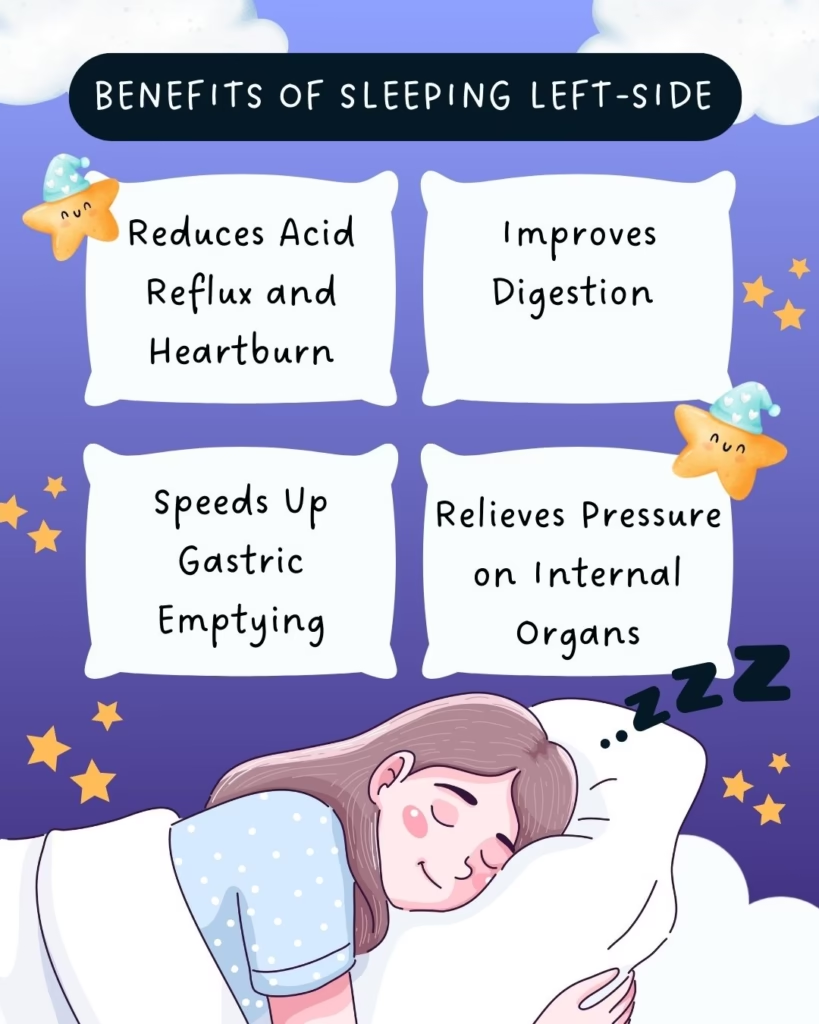
Benefits of sleeping on the left side infographic showing digestive and health advantages
Sleeping on your left side supports digestion reduces acid reflux and promotes better gut health

Potential Drawbacks

Sleeping on the right side can:

• raise stomach acid and bring about heartburn

• worsen heartburn

• slow down the digestive rate slightly

It does not bother everyone, but in case you frequently experience reflux or a heavy stomach at night, the right side can aggravate the symptoms.

When The Right Side Could Be Best

Some individuals experience less bloating when they lie on their right side, perhaps due to the fact that it relaxes the pyloric valve. But the benefits are insignificant in comparison to the left side.

Back Sleeping: Is Sleeping on Your Back Good for Digestion?

Back sleeping is good for the spine, snoring, and the muscles, but what about the digestion? It’s a mixed bag.

Pros

• Spine stays neutral

• Less joint pressure

• Better than those who overheat at night

Cons

• Can worsen reflux for many

• An increase in stomach acid is easier

• Not ideal after a late meal

Sleeping on the back is not the best sleeping position for digestion, yet it can be all right in case one does not experience reflux and stomach issues. To prevent the rise of acid, raise the upper body 6-8 inches upwards and sleep on your back.

Stomach Sleeping: The Least Beneficial of the Poses to Digestion

Others sleep best on their stomachs, and this is not a very ideal position to digestion.

Why is it problematic?

• It pushes on the stomach

• Pressure on organs

• May strain on the neck and back

• Slow down the digestion

Individuals who have persistent stomach or reflux issues experience aggravation of symptoms when sleeping on their stomachs. In case this is your habitual posture, attempt to move to the left side using a body pillow.

Tips to Improve Digestion While Sleeping

Even the best sleeping position for digestion is more effective when associated with healthy sleeping habits.

Allow Yourself to Have Sufficient Time between Dinner and Bed

Attempt to wait 2-3 hours after eating and then go to sleep. This allows the stomach to begin to digest food and reduces the risk of reflux.

Eat Lighter Evening Meals

Large meals at late hours compel the gut to work more during sleep.

Healthier nighttime meals:

• soups

• cooked vegetables

• low-fat proteins

• grains that are easy to eat

Eat low-fat, spicy, or acidic foods before going to bed.

Elevate Your Upper Body

In case of reflux, elevation of the torso aids gravity in holding acid down. A wedge pillow works well for this.

Keep Hydrated Previously in the Day

Water helps in digestion, yet drinking excess water immediately before sleep can wake you up.

Support Your Gut with Good Daytime Habits

Nighttime digestion is influenced by regular movement, balanced meals, and reduced stress. One of the studies revealed that the loss of short sleep reduced gut microbes by 21 per cent relative to sufficient sleep.

Lifestyle Habits That Improve Digestion at Night

What you do in the day influences the way you feel at night.

Build a Gut-Friendly Diet

Assist digestion:

• fiber foods

• probiotics such as yogurt, kefir, fermented foods

• plenty of vegetables

• warm cooked foods

To allow your gut to rest better at night, avoid ultra-processed foods.

Reduce Stress Before Bed

Stress alters bowel movement and bacteria. Even 5 minutes of relaxation is helpful.

Examples of simple relaxation methods:

• deep breathing

• light stretching

• meditation

• journaling

Have a Regular Sleeping Schedule

Your gut has its own clock. When you have an irregular sleep schedule, your digestion is slowed down.

Add Walking After Dinner

A brisk walk provides:

• reduces bloating

• improves gut motility

• avoids slow digestion

It is a difference of just 10 minutes.

Conclusion

The left side is optimal since it is aligned with gravity, the shape of the stomach, and the majority of the symptoms of most people.

Left side sleeping:

  • Leaves the acid in the stomach
  • Accelerates the emptying of the stomach
  • Decreasing the pressure on the organs
  • Enables individuals with reflux or stomach issues to sleep well.

Back sleeping is effective for individuals who lack reflux. Stomach and right side sleeping are not very helpful. The right posture and gut-friendly habits will help you to feel lighter, less bloated, and more energized.

FAQs

1. What is the best sleeping position for digestion?

The left side assists the gut to utilize gravity to push food and reduce acid reflux.

2. Does right-sided sleeping impair digestion?

Raising acid on the right can slow down digestion and increase acid reflux, particularly following heavy or late meals.

3. Is it good to sleep on my back?

Unless you prop your upper body up to prevent the rise of acid, back sleeping can aggravate reflux.

4. Does sleep deprivation have an impact on digestion?

Yes. Poor sleep damages gut bacteria, slows down digestion, increases inflammation, and aggravates bloating and indigestion.

5. What can I do to enhance bedtime digestion?

Consume less weight, do not eat late, drink more water earlier in the day, take walks after eating, and sleep on the left.

    author avatar
    Manasa Krishna
    Perumalla Manasa Krishna is a trained pharmacist with expertise in creating clear and reliable medical content. She uses her pharmacy background to simplify complex medical concepts, helping readers understand the benefits of supplements and wellness products with ease. She is passionate about making health information accessible and trustworthy, ensuring every piece of content reflects scientific accuracy and care. Her writing combines professional knowledge with a reader-friendly style, supporting the brand’s mission to promote well-being through credible and practical guidance.
    author-avatar

    About Manasa Krishna

    Perumalla Manasa Krishna is a trained pharmacist with expertise in creating clear and reliable medical content. She uses her pharmacy background to simplify complex medical concepts, helping readers understand the benefits of supplements and wellness products with ease. She is passionate about making health information accessible and trustworthy, ensuring every piece of content reflects scientific accuracy and care. Her writing combines professional knowledge with a reader-friendly style, supporting the brand’s mission to promote well-being through credible and practical guidance.

    Leave a Reply

    Your email address will not be published. Required fields are marked *